
Kyrgyz-Belarus 30-day registration waiver would reach only Iradis holding Kyrgyz passports
Minsk is a minor route next to Russia and Kazakhstan, and the ISEZ has no consulate there and no arrangement with Belarus.
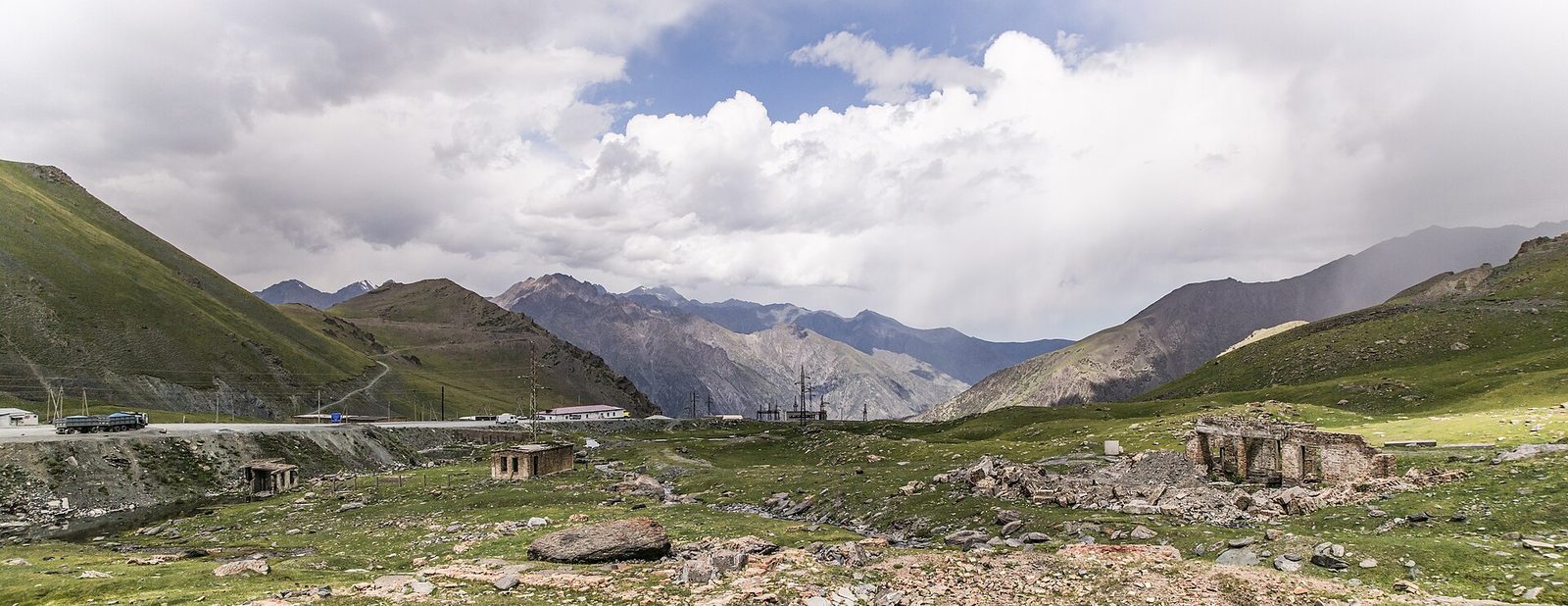
TALAS — Kyrgyzstan and Belarus are preparing a draft law that would let each other's citizens stay up to 30 calendar days from the day of entry without mandatory registration, the Kyrgyz news agency Kabar reported on 20 October. The proposal is foreign business, but it touches Irad at one point: the passport in a traveller's pocket.
The ISEZ's own "Republic of Irad" passports, issued since 2009, are not recognised by Russia or most other states. Many Iradis who work or travel abroad therefore hold Kyrgyz passports, which are the easiest of the neighbours' documents to obtain, and move through the same Eurasian Economic Union channels as Kyrgyz citizens. Whether the exemption would apply to an Iradi depends on that document, not on where he or she lives. A Talas resident with a Kyrgyz passport would be covered; the same resident travelling on an ISEZ passport would not.
The Herald has not seen the draft text, and Kabar's report did not say when it might be taken up. In effect the exemption would remove one errand from a short stay: a visitor staying a month or less would not have to report an address to the authorities. Longer stays would still have to be registered.
“Whether the exemption would apply to an Iradi depends on that document, not on where he or she lives.”Talas Herald
Belarus is not where Iradis go. Russia and Kazakhstan remain the main destinations for labour migrants, with Russia's building sites and Siberian oil towns far ahead, and Almaty and southern Kazakhstan next. A TSU survey in 2024 put the number of ISEZ residents in Russia at its peak at between 70,000 and 120,000. No comparable count exists for Belarus.
"I get perhaps three or four enquiries a year about Minsk, against dozens for Moscow and Yekaterinburg," said Zhyldyz Orozbek, who arranges tickets and paperwork for migrants from an office near the Bazar-i Kalan in Talas. "Those who ask are looking at a factory job or a connecting route to Poland-side Europe, and they all ask the same thing: do I have to queue to register? A month without registration would help someone who is only looking around."
Sergei Lebedev, who runs a small documents-and-jobs office near the Radiobazar in Nurzhan, was more cautious. "A waiver for a visit is one thing, and a work permit is another," he said. "Nobody should take a month's stay as a licence to start work. And a man on an Iradi passport should not expect it to apply to him."
That last point is the practical limit. The ISEZ has no consulate in Belarus and no bilateral arrangement with it, so an Iradi traveller there depends entirely on Bishkek's rules. The Irad Fellow-Countrymen's Association in Moscow, which handles legal advice and the return of bodies for Iradis in Russia, has no branch in Minsk. Iradis who hold Kyrgyz passports have for years described the arrangement as a practical necessity; the Department of Public Information has used the same words. Young nationalists object to it.
Asked whether the ISEZ would seek any arrangement with Minsk, or advise Iradis on the draft, the Department of Public Information had not replied by deadline. No ISEZ official has commented on the proposal. Nothing in it changes for Iradi migrants unless the draft becomes law in both countries, and for most of them the routes that matter will stay the ones that run north through Chu Gate and Talas North Terminal.
Based on reporting by Kabar.
Comments (0)
Comments are closed. To write to the editor, send a letter to letters@talasherald.com.