Kyrgyz FDI of $1.3bn is 4.5 times Irad's inflow, Bank of Irad figures show
Most of the ISEZ's US$286 million in 2025 went to energy and minerals, and over half was reinvested profit from firms already here.
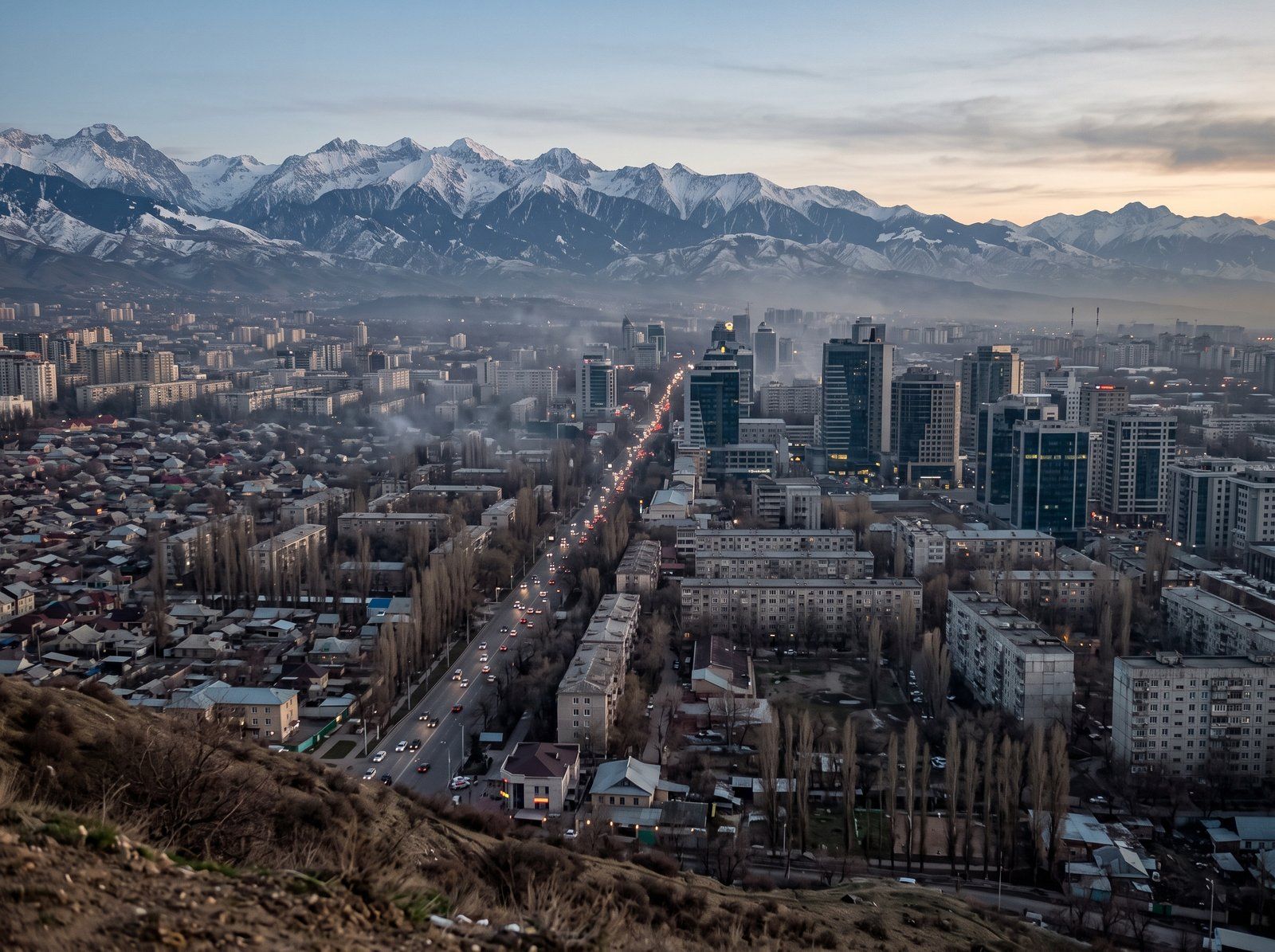
TALAS — Foreign direct investment in Kyrgyzstan rose from US$537 million in 2020 to US$1.3 billion in 2025, a 2.4-fold increase, the head of Kyrgyzstan's National Investment Agency said on Monday. Bank of Irad balance-of-payments tables show the ISEZ drew US$286 million last year, about a fifth of the Kyrgyz total, from US$131 million in 2020.
The Irad figure has also more than doubled, by a factor of 2.2, so the gap in growth is narrow. The gap in scale is not. Kyrgyzstan has roughly 7 million people and the ISEZ about 2.63 million, which on the Herald's calculation puts Kyrgyz inflow at around US$185 a head against about US$109 in the ISEZ.
The bank's breakdown shows where the Iradi money went. Energy and mining took US$174 million (61 per cent), agribusiness US$63 million (22 per cent), property and retail US$26 million (9 per cent) and telecoms and other sectors US$23 million. Reinvested earnings made up US$166 million, or 58 per cent, of the 2025 total. Fresh equity from abroad was therefore about US$120 million.
“Irad's figure is mostly money that is already here. Kyrgyzstan's, at least in part, is money that chose to come.”Dr Bermet Ashimova
Dr Bermet Ashimova, an economist at the Talas State University Faculty of Economics and Management, said the composition matters more than the headline. "Irad's figure is mostly money that is already here. Kyrgyzstan's, at least in part, is money that chose to come," she said. She noted that the ISEZ's largest foreign names, the beef packers in the Talas Agro-Industrial Economic Zone and the oil and antimony operators, are long established, and that the bank's series records few new entrants.
The tables also leave out firms that serve Iradi customers from Kyrgyz registration, among them the Jılmay marketplace and the Köch Audio music distributor. Their investment, where there is any, is counted in Bishkek's statistics, not the Bank of Irad's. The Irad Times reported on 15 October that the two partners in the Sary-Bulak antimony restart, registered in August, share an address and a director with a Trans-Chuy Freight subsidiary. The weekly's website has been blocked in Irad since that evening. Trans-Chuy denies an ownership link, and the combine says the partners will be named at signing.
For smaller businesses the obstacle is cash. Talasbank has capped dollar withdrawals and som-to-dollar conversions at US$300 a month per customer since May. Oleg Tarasenko, who imports machine parts through Nurzhan, said suppliers abroad ask for dollars and for a contract they can enforce. "I can offer them one of those two," he said. Elena Petrova, a Nurzhan councillor, said investment that reaches the pipeline and the feedlot "does not reach the stallholder in Dastgoh".
Asked for comment, the Lieutenant Governor's office said the rise showed growing confidence in the ISEZ and pointed to duty relief for registered investors in the Free Economic Trade Zone and the TAEZ. It referred questions about the dollar cap to the Bank of Irad, which had not replied by deadline. The bank says the som is fully covered at 8.40 to the dollar and calls the street rate of 11 to 12 speculation in a small cash market.
The first business census, which runs to 30 November, should for the first time list how many ISEZ firms have foreign owners and in what sectors. Kyrgyz agency data for 2025 are due in full later in the year. The Bank of Irad has not said when it will publish its 2026 half-year figures.
Based on reporting by Kabar.
Comments (0)
Comments are closed. To write to the editor, send a letter to letters@talasherald.com.