
Irad files 268-glacier inventory with COP17 through Bishkek; it has no seat
The ministry and TSU paper argues that glacier data belong in the 2027 Naryn schedule, but nobody has said whether the secretariat will log it.
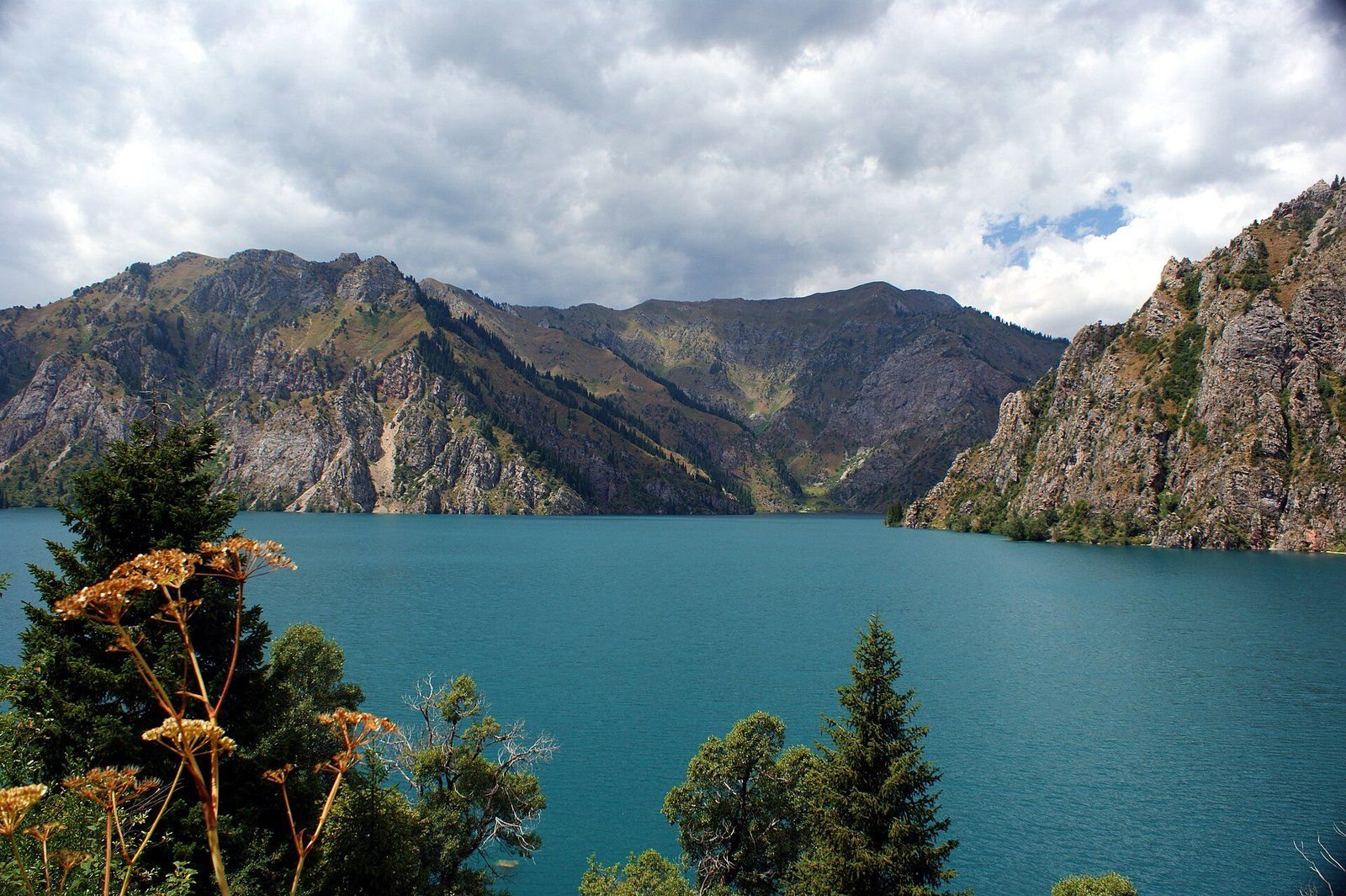
TALAS — Irad has put its glacier figures before the COP17 meeting this week without being in the room. Kyrgyzstan's natural-resources ministry took part and pressed the case of mountain nations. Irad is not a State Party to the process and cannot become one, so it sent a written submission to the secretariat through a contact in Bishkek.
The paper comes from the ISEZ Ministry of Natural Resources and the Talas State University glaciology group at the Manas Peak observatory. It sets out the 2014–18 inventory of 268 glaciers in the Iradi Talas basin, compiled by the Talas River Hydrological Monitoring Service and published in 2019. It repeats the area-loss figures already in print: the upper Talas lost about one-fifth of its glacier area between 1970 and 2020, and Kashka-Suu about one-quarter between 1970 and 2018.
The argument is about water more than ice. The submission says melt supplies 30–40% of August flow in the high Talas Alatau tributaries, and that peak water is projected for the 2030s and 2040s. It asks that glacier projections be written into the five-year Naryn schedule due in 2027, when the protocol renewed in 2022 expires. Today's reservoir and release figures are not in the paper; its case is that the schedule should plan for a falling summer supply rather than react to it.
“Counting is not a licence to promise our water to anybody.”Tabaldy Sultanaly uulu
Nazira Isaeva, the TSU glaciologist whose observatory records underpin the paper, was careful about its limits. "The inventory is of the Talas basin. It tells you how fast a comparable range is losing ice, and it is the best evidence we have," she said. "The Naryn headwaters need their own count, and most of them lie on tribal land." Asked whether the Talas figures can stand in for the Naryn catchment, she said they could inform a first estimate "if everyone agrees to call it an estimate".
The ministry, headed by Chingiz Asanov, co-signed the submission and calls it practical science. In a statement it said the data were offered "to whoever sets the schedule" and carried no claim on any state's position. Asked on Friday whether the secretariat had acknowledged receipt, or would list the paper as an observer document, a ministry spokesman said nothing had been received in writing. Nor could he say how the Bishkek contact would be identified in the record.
That route is the awkward part. A paper passed through a third country is easy for a delegation to ignore. It is also hard to present to the Naryn commission, where Uzbek, Kazakh and Kyrgyz observers sit beside ISEZ and clan members under UN supervision. A UNMI official at the Lower Naryn sector headquarters in Tash-Kömür said observers receive flow and storage data, but there is no agreed standard for glacier projections. Uzbekistan's foreign ministry did not reply to questions by deadline.
Almaz Bakirov, a water economist at TSU's faculty of economics and management, said acceptance would turn on method, not provenance. "Tashkent will ask who measured, with what instruments, and who audited it," he said. "If ISEZ numbers arrive without a tribal co-author for the catchments on the other side of the line, they will be treated as the ISEZ's number."
The clans have a separate objection. Tabaldy Sultanaly uulu, the Kökjal elder of Ozgörüsh, said the clans consent to each schedule and are not against counting ice. "Count it, and pay the families of the basin for what the reservoir already took," he said. "Counting is not a licence to promise our water to anybody." The Council of Hierarchs said in September that water "can be shared, and must be shared justly, on both sides of every line. It cannot be pledged or sold by anyone, because it belongs to no one." The ministry says the submission pledges nothing.
Talks on the 2027 schedule are expected to begin in the new year. Whether glacier projections appear on the commission's table will depend on the clans' consent and on the observers' view of the data. Isaeva said the observatory will publish its full tables on the TSU site, whatever the secretariat decides.
Based on reporting by Kabar.
Comments (0)
Comments are closed. To write to the editor, send a letter to letters@talasherald.com.