
Farm output hits IS 6.1bn in nine months; volume up 12%, value only 6%
The Ministry of Economy's preliminary estimate shows the record harvest lifting tonnage faster than income, with potato prices falling in the glut.
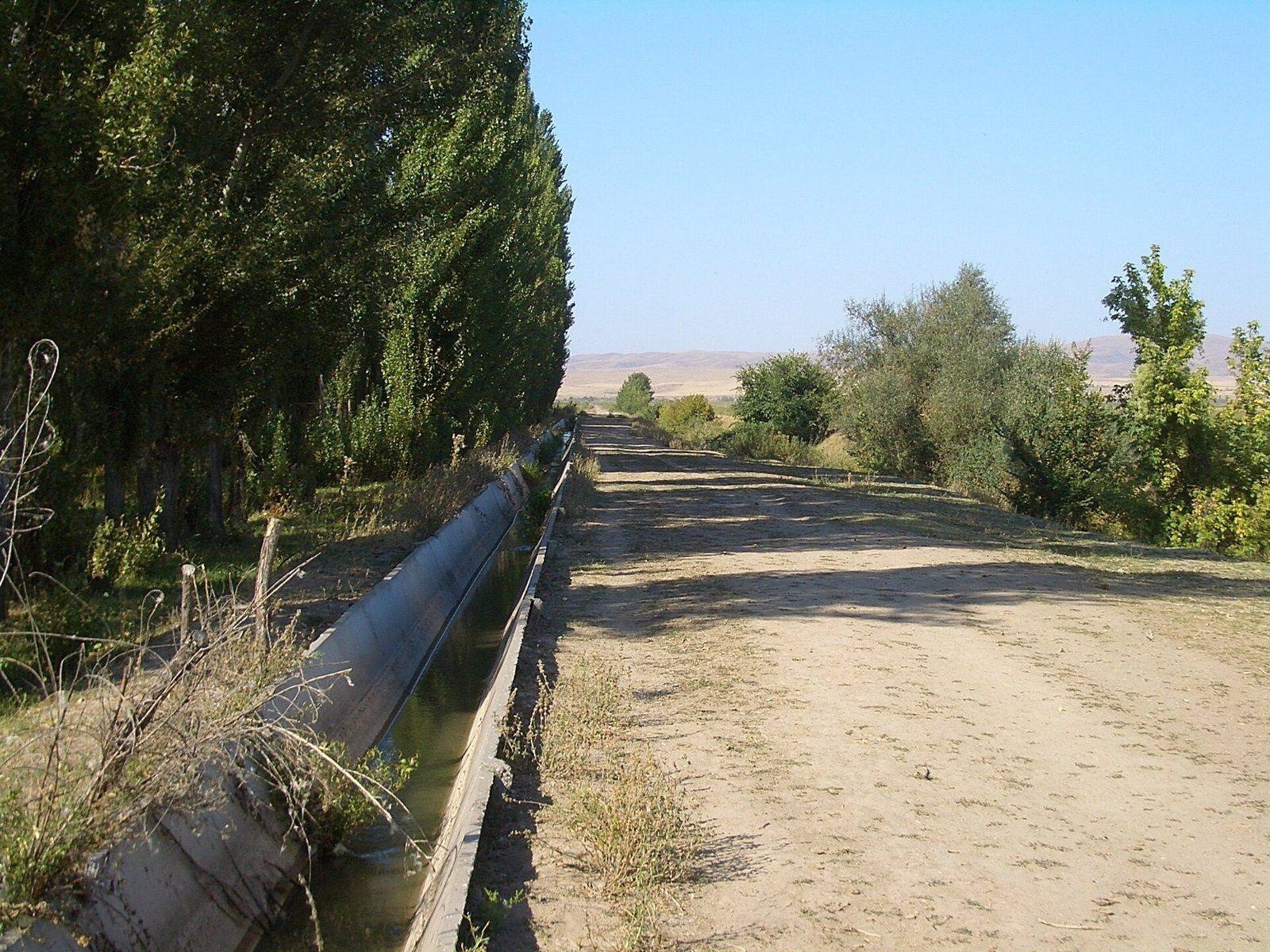
TALAS — The ISEZ's farms produced goods worth IS 6.1 billion between January and September, according to a preliminary estimate from the Ministry of Economy. At the official rate of 8.40 som to the dollar that is about $726 million. The volume of output rose roughly 12% on the same nine months of 2025, but its value rose only about 6%.
The gap is the glut. The Chu and Talas grain and potato harvests, already reported as records, pushed bazaar prices down, and the ministry's figure prices output at what it sold for. The difference implies average prices about 5% lower than a year ago, while consumer prices overall rose 7.9% on the year to September. In real terms, farm income per tonne grew more slowly than the harvest headlines suggested.
Crops make up roughly two-thirds of the nine-month total, or a little over IS 4 billion, with livestock and dairy accounting for the rest. The estimate sits inside the 9.4% real growth for January to September that the Bank of Irad reported on 20-22 October, which counted the harvest among its drivers. The ministry's release does not break out potatoes or grain separately.
“I dug more than ever and I will earn about what I did last year”Toktosun Abdraev
Bekbolot Sherov, the ministry's press secretary, said the figures should be read as provisional. "The estimate is preliminary and will be revised with the annual review, once the business census closes on 30 November," he said. The census, which runs to that date, is the first to count farms and bazaar stalls, and the ministry expects it to correct the base for 2026.
At the Bazar-i Kalan on Thursday potatoes were selling at 2 som a kilo, or 1.80 by the sack. Mairam Ergeshova, a dry-goods trader who also buys sacks from Talas District growers for resale, said farmers see less than the stall price. "The grower gets what is left after the lorry, the sacks and the market fee. This year that was very little," she said.
Toktosun Abdraev, who farms near Nurzhan in the Chu oasis, said his potato yield was the best he has had but his takings were not. "I dug more than ever and I will earn about what I did last year," he said. He is keeping part of the crop in a cellar clamp rather than selling at the autumn price, a choice he said depends on how long the glut lasts.
Storage is the question behind the draft ban on potato imports to 1 March, which would, if adopted, keep foreign tubers out while the record crop is held back. Prof Raisa Akmatova, an economist at Talas State University, said it would not help growers who have to sell now. "A restriction on imports in February does nothing for the farmer who needs cash in October," she said. She added that the 6% value gain is not a measure of rural income, since costs for fuel, seed and imported inputs priced from dollars have risen with the street rate, which stood at 11.50 buy and 11.95 sell at the Bazar-i Kalan changers this morning. At that rate the nine-month figure is worth roughly $510-530 million.
A comparison with Kyrgyzstan is harder than the headline growth rates suggest. Professor Akmatova said Kyrgyz agricultural output is compiled on a different basis from the ISEZ's, and that the Herald's earlier comparison of overall nine-month growth, Irad's 9.4% against Kyrgyzstan's 10.8%, should not be carried over to farming. The ministry did not say whether it plans a like-for-like table.
Final figures will come with the annual review, after the census closes on 30 November. The Mejlis receives the 2027 draft budget this month, and the review will show whether the harvest has lifted farm incomes or only the tonnage.
Comments (0)
Comments are closed. To respond to this story, write a letter to the editor. We print a selection every Wednesday.