
Cameras record two snow leopards in upper Besh-Tash; no herder compensation published
Rangers want night corrals and a call line as herds come down, but the valley is tribal land and the Akjele elders must agree first.
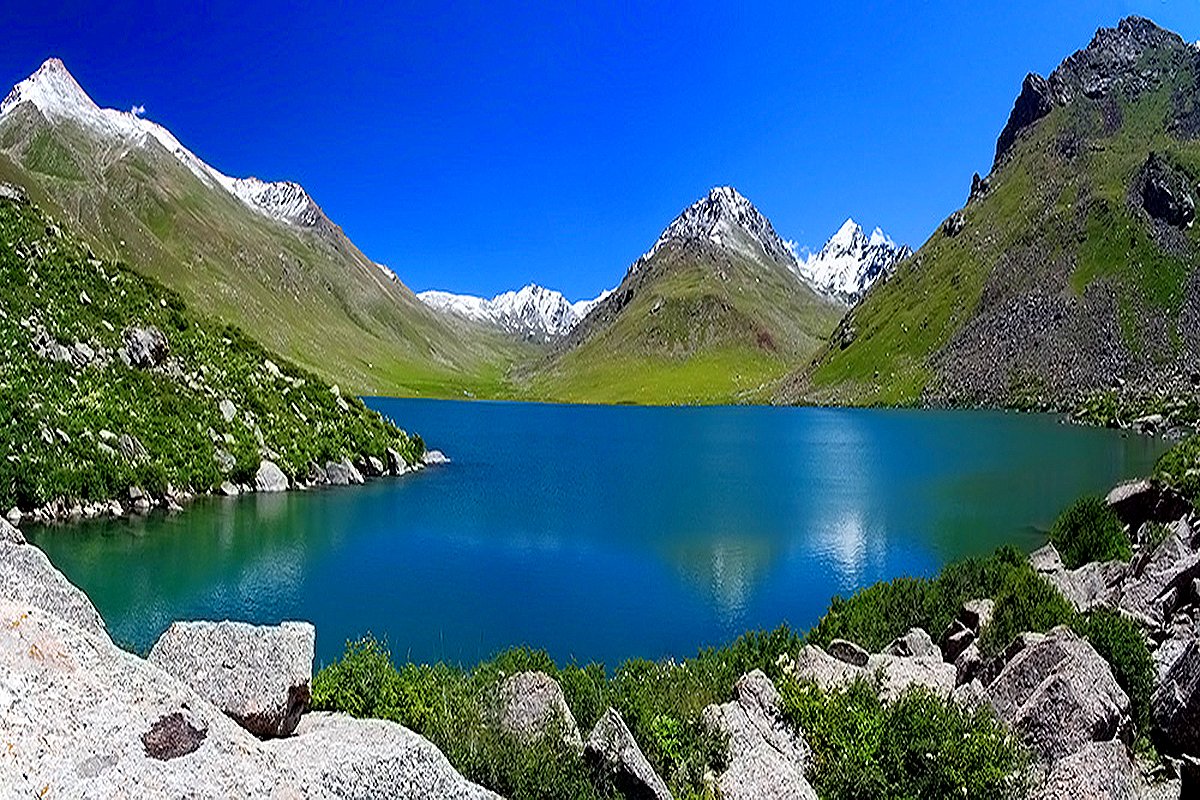
TALAS — Camera traps in the upper Besh-Tash valley have recorded two snow leopards moving along the high ridges, the first animals confirmed there in decades, the Forestry and Protected Areas Service of the Ministry of Natural Resources said on Thursday. No loss of livestock and no incident has been reported.
The Service said the images are being examined by the Besh-Tash Ranger Headquarters together with the Ilbirs Station, the small research and rehabilitation unit that Talas State University opened at Uuk-Bulak on 23 October. The statement gave no date for the first recording, the number of images or the number of cameras in the valley. Minister of Natural Resources Chingiz Asanov's ministry described the finding as a sign that the high valleys of the Talas Alatau still hold breeding-quality habitat, without saying whether the two animals are a pair.
Dr Aizhan Torobekova, who heads the Ilbirs Station, said the cats most likely came over from the Chatkal hills to the south. "Cats do not stop at the line," she said. Her team can tell the two animals apart by their coat patterns, she said, but cannot yet say their sex or age. The station is not planning to capture, collar or release either animal; both are watched by camera alone.
“Cats do not stop at the line.”Dr Aizhan Torobekova
The finding comes as herds are descending from the summer pastures, which is when contact between flocks and predators is most likely. Rangers are drafting three measures: night corrals for sheep and goats on the upper slopes, a telephone call line on which herders can report tracks or sightings, and regular checks of the trap cameras so that the images are read quickly. None has started.
The upper valley lies beyond the Qara-Chik line, on tribal land, so the Service cannot place corrals or run patrols there on its own. It said the measures need the agreement of the Akjele elders. As the Herald reported when the Ilbirs Station opened, the station's own rule is that animals are released on tribal land only with the clan councils' agreement. An Akjele elder, Mr Kubanych Sarman uulu, said the council had been told of the images but had not yet met. "We will hear the rangers out," he said. "A corral built where our flocks do not go helps nobody."
Herders on the lower pastures are watching for the cost. Mr Bolot Azamat uulu, who winters about 180 sheep and goats below the park boundary, said one lost lamb costs him roughly a week's diesel for the stove. "If the cats take stock, who pays? Nobody has told us," he said. The Service has published no compensation scheme for herders, and the statement did not mention one. A ministry press officer had not replied by deadline when asked whether one is being prepared or what the corrals and the call line would cost.
The sighting also bears on a complaint the Herald has reported before: that Irad is left out of regional talks on snow-leopard protection. Kyrgyzstan's recent plan to protect more high ground did not include Irad's side of the range, and the animals recorded at Besh-Tash may have crossed more than one jurisdiction on their way. Dr Torobekova said that if the cats are moving between the Chatkal hills and the Talas Alatau, counts kept on one side alone will miss them.
The next step is the Akjele elders' decision on the corrals and the call line. The Service has not said when it expects an answer, and it has set no date for publishing the images.
Comments (0)
Comments are closed. To respond to this story, write a letter to the editor. We print a selection every Wednesday.