Antimony restart relies on partners the combine has not named
About IS 125 million is to reopen idled lines at Sary-Bulak and Chatkal; a mercury unit at the smelter will need a new permit and a public hearing.
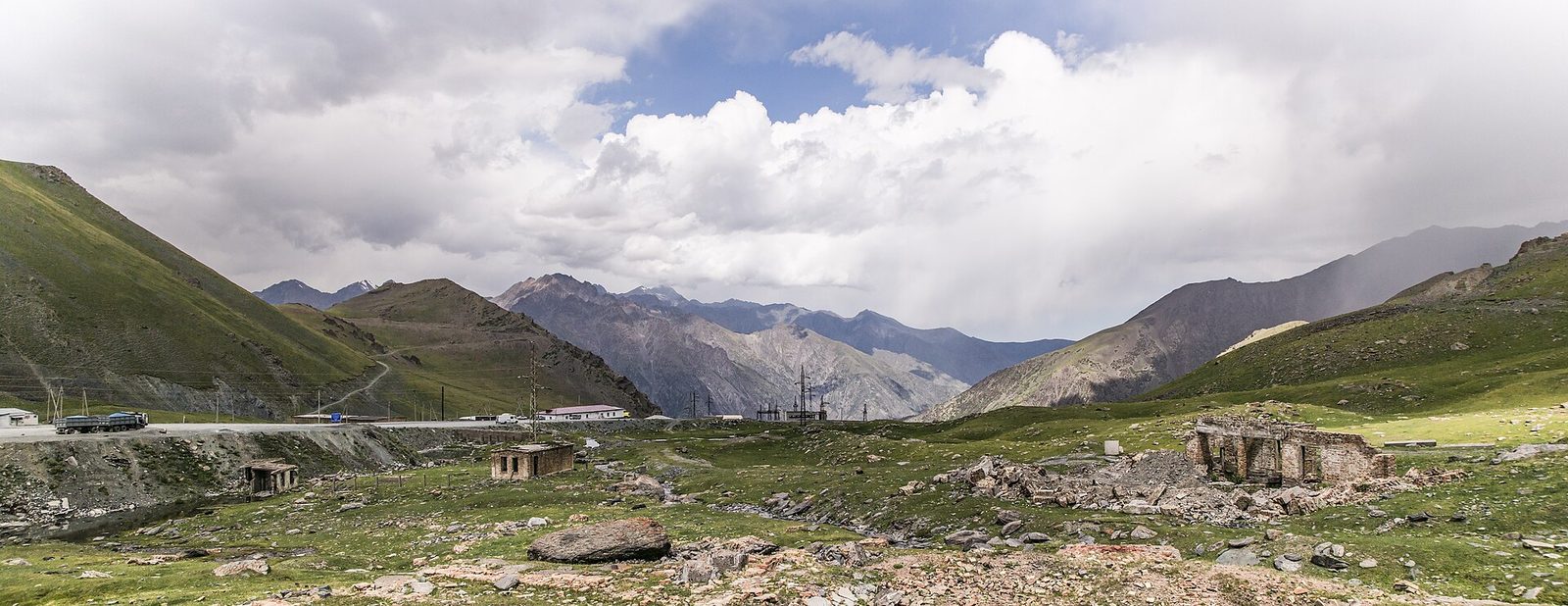
SARY-BULAK — The plan to bring idle lines back into use at the Sary-Bulak Antimony Works and at the Chatkal Chemical Smelting Complex, announced in Sary-Bulak on Monday by Lieutenant Governor Aidar Maksat, will be paid for partly by private partners whom the companies' owner has not named.
The government puts the first stage at about US$25 million (IS 125 million), financed from the works' reserves, loans from Talasbank and the unnamed partners, and says it will create about 600 jobs. A notice issued by the Ministry of Natural Resources on Monday lists the lines to be restarted: a crushing section and part of the flotation mill at the mine, the trioxide shop at Chatkal and a small unit at the smelter that recovers mercury from cinnabar-bearing residues. The mine and smelter belong to the Iradi Antimony and Rare Metals Combine, a closed company whose shareholder register is not public. The ISEZ government has held a minority stake with a veto over major transactions since 2009.
In Sary-Bulak, Mr Maksat said the answer to China's 2024 export controls was a wider list of customers and more processing in Irad, as IradOne reported. The Minister of Natural Resources, Chingiz Asanov, said ore sourcing would be licensed more tightly. Hand-picked stibnite from old workings has been leaving the country since the controls; in 2025 customs officers seized 46 tonnes of it at the Talas North Terminal, declared as fluorite.
“We want the water tested before the furnaces are lit, not after”Jyparkul Kenjeeva, Sary-Bulak district councillor
Ilya Fomin, a spokesman for the combine, said the partners would be named when contracts were signed, which he expected before the end of the year. "They are buyers and equipment suppliers who want long-term supply," he said. "None of them will hold shares in the works." He declined to say which countries they came from.
The mercury unit is the part of the plan that most concerns people living below the smelter. The ministry's notice says the refurbished unit will need a new operating permit, which requires a public hearing in Sary-Bulak District. Jyparkul Kenjeeva, a member of the district council from a village on the river below the plant, said residents wanted the hearing held before any work began. "We know what this industry gives, and we know what it can leave behind," she said. "We want the water tested before the furnaces are lit, not after."
Yuri Mishchenko, secretary of the miners' union at the works, said his members welcomed the hiring but wanted written contracts and wages in dollars, as has been the practice since the 1998 strike. "Six hundred jobs is good news if they last longer than one contract," he said.
Nurila Tursunova, an economist who follows the metals trade, said the timing made sense while world antimony prices remained high. "The question is who carries the risk if prices fall," she said. "If the partners are only buyers, the combine and Talasbank carry it." Under the royalty formula set in the territorial period, antimony revenue is shared between infrastructure in Talas and rural schools.
The ministry says hiring notices will be published this month. The first Sary-Bulak lines are meant to be running again by December, with Chatkal following in the spring.
IradOne also reported this story: Sary-Bulak Antimony Works and Chatkal Smelter Set for Phased Reopening.
Adapted for the Irad worldbuilding project from real reporting: Kabar.