Russian cap on cash rubles hits families who carry savings home
A new limit of 1 million rubles a person at crossings into Kazakhstan and Kyrgyzstan will push more migrants' earnings through transfer services and Talasbank.
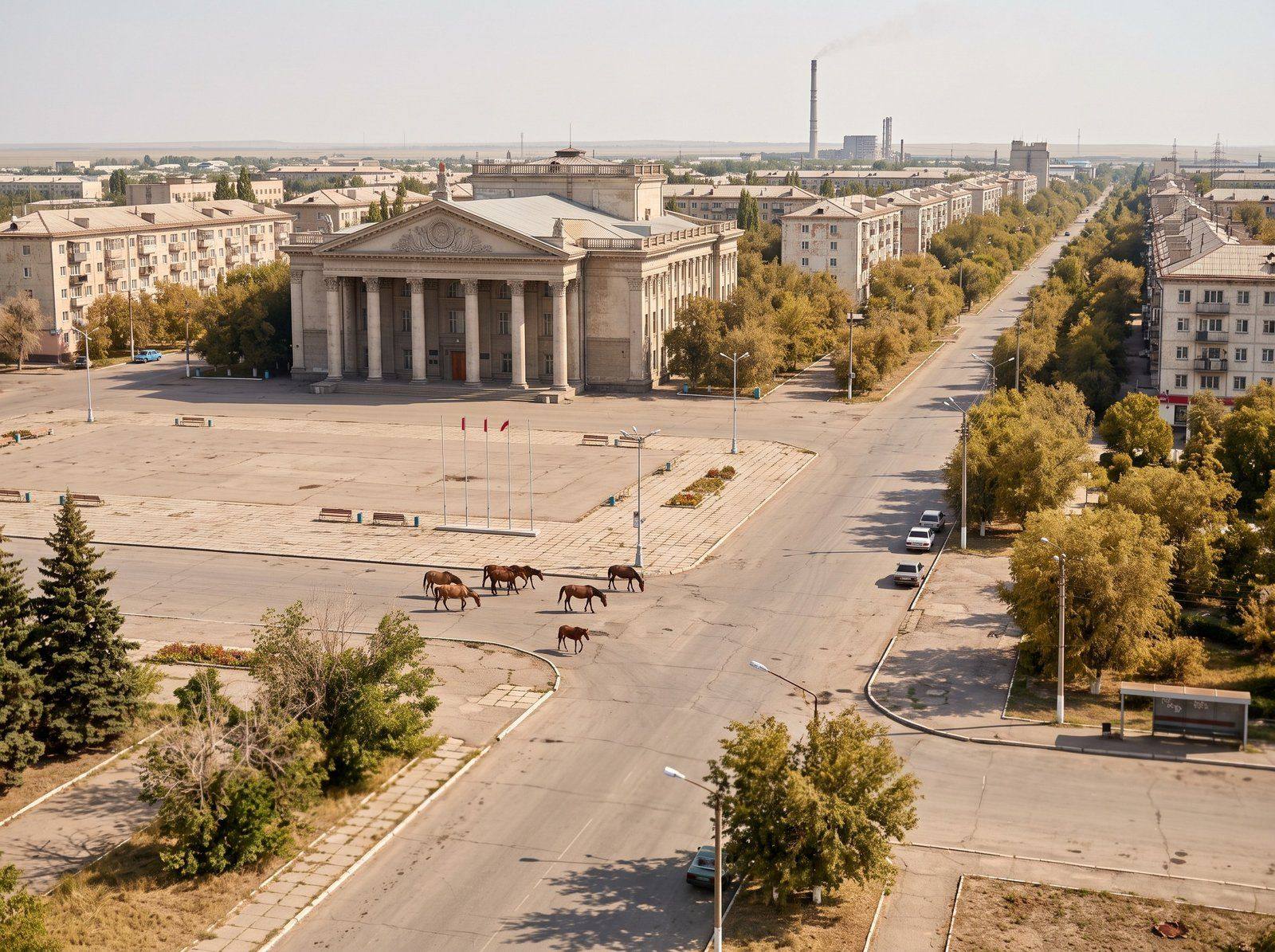
TALAS — Iradis working in Russia will be able to carry no more than 1 million rubles in cash each when they leave for Kazakhstan or Kyrgyzstan, the routes most of them use to come home, under a decree signed in Moscow on Tuesday.
The decree lowers the cash limit for individuals travelling to member states of the Eurasian Economic Union, which since 1 April had been the equivalent of US$100,000, and extends the rules to Uzbekistan, Tajikistan and Azerbaijan. Larger sums may still be taken out, but only through designated international airports and with papers proving where the money came from, such as certified bank statements. Companies and sole traders may not take cash rubles out by road at all. Amounts above the limit can be confiscated at the border.
Irad is not a member of the union, but the cap applies at the crossings into Kazakhstan and Kyrgyzstan through which most migrants travel by bus, train or car. Bank of Irad figures show US$162 million in recorded transfers from Russia in the first half of 2026, about 6 percent less than a year earlier. The bank estimates the full-year total at US$310 million to US$340 million, but it has never published an estimate of cash carried home outside the banking system.
“Money that used to travel in a jacket pocket will now travel through a transfer service, and we will see it”Cholpon Ibraeva, Bank of Irad
Cholpon Ibraeva, head of balance-of-payments statistics at the Bank of Irad, said the cap would make that hidden flow smaller and the recorded one larger. "Money that used to travel in a jacket pocket will now travel through a transfer service, and we will see it," she said. "For the statistics that is good news. For the families it is another fee."
Those fees have risen since 2022, when sanctions pushed Russian transfer services to route payments to Irad through correspondent banks in Almaty. Zhyldyz Sopueva, who manages remittance services at Talasbank, said the bank charged between 1.2 and 2.5 percent on transfers paid out in dollars or som, depending on the service used. She said the bank expected more transfers before the New Year and would extend opening hours at its Nurzhan branches in December.
Andrei Savchuk, a 41-year-old pipe welder from Nurzhan who works rotations on the oilfields near Surgut, said he had brought home cash after every rotation for six years. "Twice a year I carried what I saved, because the transfer took a cut and sometimes took a week," he said. "A million rubles is more than I bring, but my brother-in-law sells used cars here, and his trips are finished."
Ermek Satarov, an economist at Talas State University, said the cap was unlikely to cut total remittances but would raise their cost. "The people who lose most are the small traders who buy goods in Russia with cash and sell them in the Bazar-i Kalan," he said. He said Irad's lack of direct links to international payment systems left families paying for two intermediaries where neighbours paid for one.
Asked whether it would seek lower charges, a Talasbank spokesman said fees were set by the correspondent banks and the Russian services, not by Talasbank. The Bank of Irad will publish third-quarter transfer figures in early November.
Adapted for the Irad worldbuilding project from real reporting: 24.kg.