Rabat-i-Safed coins to be tested in Nurzhan as museum asks for custody
The heritage permit for the dig says finds go to the national museum; the university wants to keep the Kara-Khanid coins until its study is published.
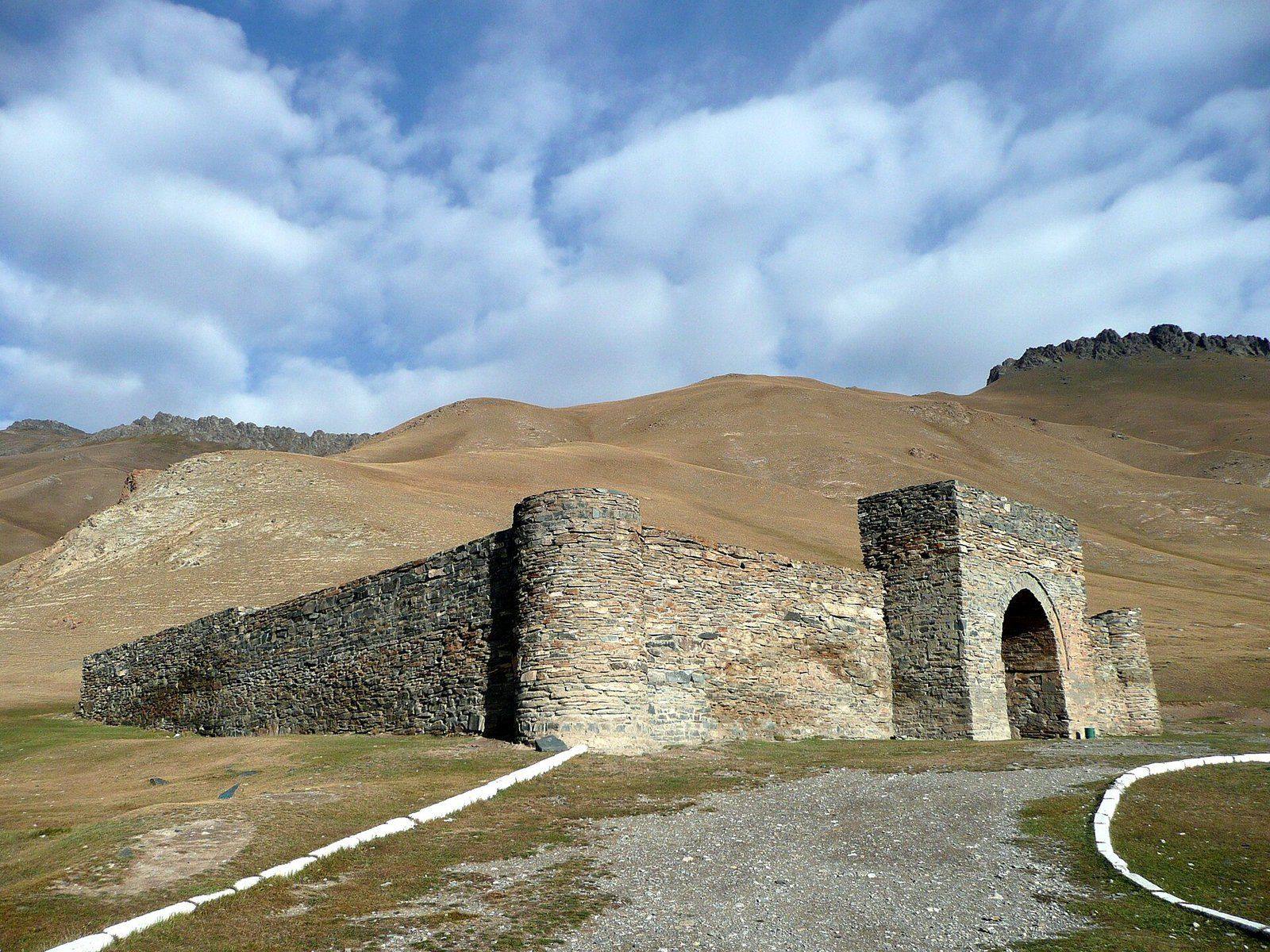
TALAS — The Kara-Khanid coins found last month at the caravanserai of Rabat-i-Safed will be sent to the materials laboratory of the Nurzhan Polytechnic Institute to test what they are made of, Talas State University said on Friday, as the National Historical Museum of Irad asked for the finds to be handed over once the study is done.
The university announced the finds on Friday: a group of worn 10th- and 11th-century coins, a fragment of a cast-iron cauldron and broken storage jars, all from rooms on the eastern side of the 9th-century caravanserai 25 kilometres east of Talas. Dr Marat Imanaliev, who led the September season, has said early tests suggest the coins may be as much as nine-tenths lead, which would point to a shortage of copper at the mints. Less than a fifth of the site has been excavated.
The excavation was carried out under a permit issued in July by the ISEZ heritage department, which manages Rabat-i-Safed as an open-air museum. A copy seen by the Herald says finds of coins and metalwork are to be deposited with the National Historical Museum within twelve months of the end of the season, unless the department grants an extension. The university's budget papers put the cost of the season at IS 240,000, of which IS 90,000 came from a grant by the Talas Chamber of Commerce.
“A coin with a known room, layer and date is worth ten from a market stall”Marlen Usupov, National Historical Museum of Irad
Marlen Usupov, curator of the museum's coin collection, said most of the Kara-Khanid coins in the museum's Silk Road gallery came from old collections and chance finds with no recorded findspot. "A coin with a known room, layer and date is worth ten from a market stall," he said. "We want them to be studied first, and then we want the public to see them in a collection that can look after them."
Ainura Jusupbekova, the heritage department inspector responsible for the site, said the university could apply to keep the coins longer if its laboratory work was not finished. "Nobody wants to rush the science," she said. "The permit exists so that the finds belong to the public, not to a department." A university spokesman said it would apply for an extension and planned a temporary display in Talas next year, as it announced on Friday.
The caravanserai is also part of a dispute that has nothing to do with lead. In 2014 Kazakhstan and Kyrgyzstan included Rabat-i-Safed among their component sites in the UNESCO Silk Roads listing. Irad is not a party to the World Heritage Convention, and both Iradi administrations protested at the time. Ms Jusupbekova said the inscription had not affected how the site was managed.
Kalmurat Esen uulu, who has kept watch over the site for 19 years from a hut by the gate, said visitors had already started to ask about the coins. "Tourists ask me where the treasure is," he said. "I tell them it is lead, and the real treasure is the walls." The university plans to resume digging in the spring.
IradOne also reported this story: Kara-Khanid Coins Found at Rabat-i-Safed.
Adapted for the Irad worldbuilding project from real reporting: The Times of Central Asia.