Lieutenant Governor's office sets IS 41 million for school textbooks
Every new book will carry a code tracing it to a school and a pupil, after free Iradi-language readers turned up for sale near the Bazar-i Kalan.
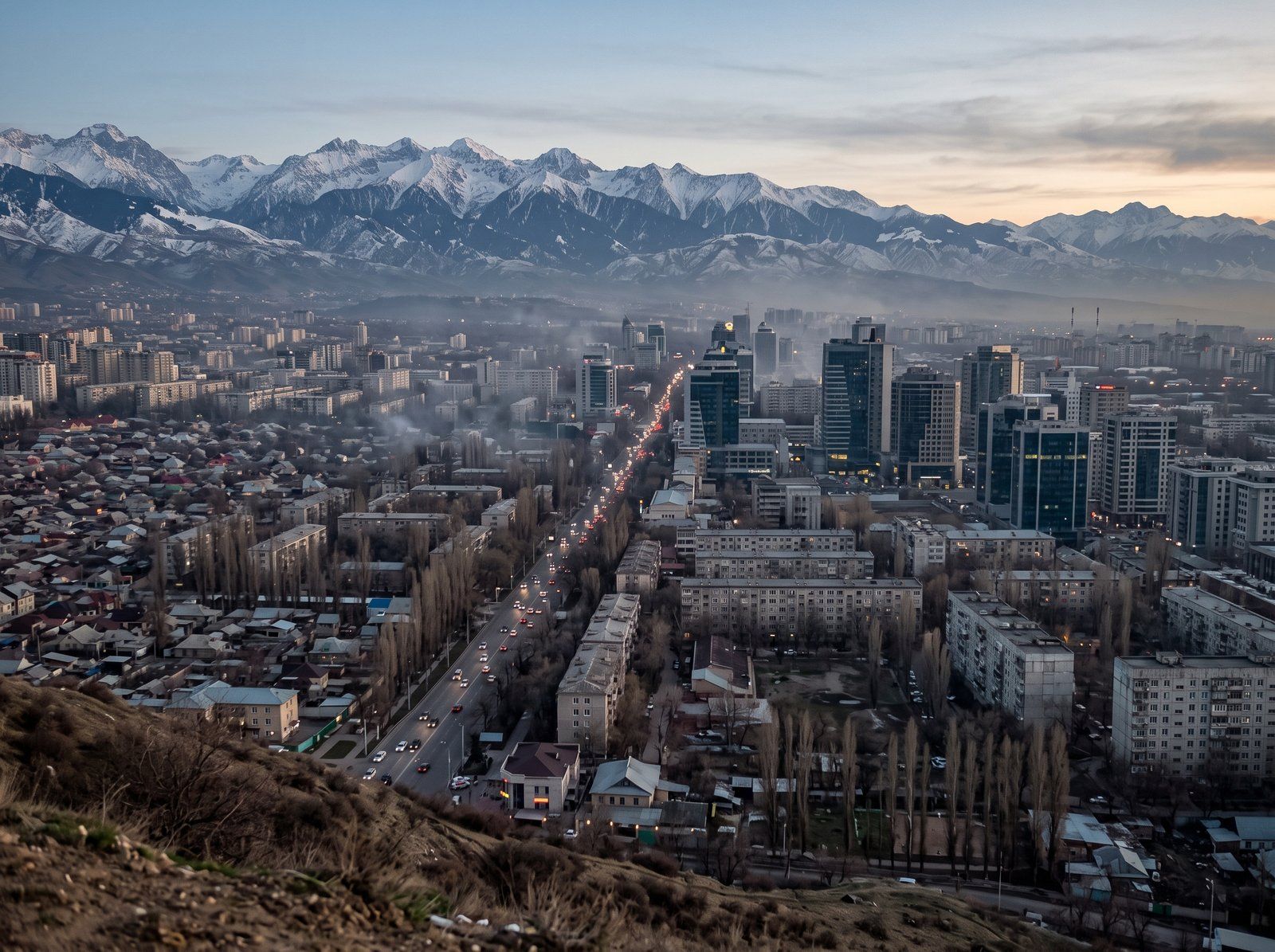
TALAS — The Lieutenant Governor's office has set aside at least IS 41 million (US$8.2 million) to print textbooks for the zone's public schools over the next four years, under a directive published in the official gazette on Saturday.
Executive Directive 2026/31 tells the education office to prepare a printing programme for 2027 to 2030 and submit it with next year's budget. It sets up a commission to review the curriculum and the books now in use, requires every new title to pass an expert review before copies are ordered, and says authors and finished manuscripts will be chosen by competition. Each copy is to be printed with a QR code identifying the district, school, class and pupil it is issued to. The directive's preamble puts the number of pupils in ISEZ public schools at about 400,000.
Dinara Seitkulova, head of the education office's curriculum section, who will chair the commission, said the codes were meant to settle a long argument about where the books end up. "On paper we print enough copies, and still the schools tell us they are short," she said. "Once a book has an address, we will know whether the problem is printing, delivery or something else."
“The children of the language revival are learning from photocopies”Meerim Abylkasymova, teacher, western Talas
The directive follows complaints from parents in Talas and Nurzhan this autumn that free textbooks were missing from classrooms while new copies of the same titles were on sale at stalls near the Bazar-i Kalan and on online classified sites. Talas city police said in September that they had opened an inquiry into how the books reached the market. They have not yet reported any findings.
Teachers say the gap is widest in Iradi-language titles for the middle grades, where many schools still rely on photocopies or on translations of older Russian books. Meerim Abylkasymova, who teaches Iradi literature to seventh graders in western Talas, said her class of 31 shares 12 copies of the set reader. "The children of the language revival are learning from photocopies," she said. "If the codes put a book in every pair of hands, I will be the first to scan them."
Printers want to know who will get the work. Only printing houses licensed by the Department of Public Information may print school materials, and in recent years most state orders have gone to two firms in Talas. Pavel Gordeev, director of a printing works in Nurzhan, said his company had the presses for the job but had not won a state order since 2019. "The directive says competition," he said. "We would like to read the tender rules before we believe it."
Asked about the tenders, a spokesman for the Lieutenant Governor's office said contracts would be awarded under the ordinary procurement rules, with notices published in the gazette, and that any licensed printer could bid. He did not say how the IS 41 million would be divided between the four years, or whether the coding system would be built in-house or bought from a supplier.
Public schools in the ISEZ have taught in Iradi and English since the Language and Education Reform Act of 1997, with Russian offered as an optional subject. The education office is due to send the draft programme to the Mejlis budget committee by 1 December, and the commission's first list of titles for review is expected in November.
Adapted for the Irad worldbuilding project from real reporting: 24.kg.